
Equine therapy offers a unique, experiential approach to addiction recovery by incorporating guided interactions with horses into a broader treatment plan. In San Diego, the natural outdoor setting provides an opportunity for individuals to step outside the traditional therapy environment while developing trust, communication, emotional regulation, confidence, and healthy coping skills. With guidance from trained professionals, participants can use activities with horses to explore patterns of behavior, practice mindfulness, build connections, and develop skills that support long-term recovery.
We don’t simply map out a treatment plan and send you on your way. We walk beside you — helping you nourish your body, reshape your thinking, regulate your emotions, and rediscover a deeper sense of purpose. Through movement, yoga, meditation, mindfulness, art therapy, sound therapy, nutrition, experiential therapy, and evidence-based clinical care, your recovery becomes lived and embodied—not just discussed.
What makes Carlsbad Beach Recovery truly unique is our seamless blend of structured outpatient support and holistic, whole-person treatments. Here, clinical excellence meets coastal calm, creating space for transformation that feels sustainable, empowering, and real.
Whole-Person Healing at Carlsbad Beach Recovery
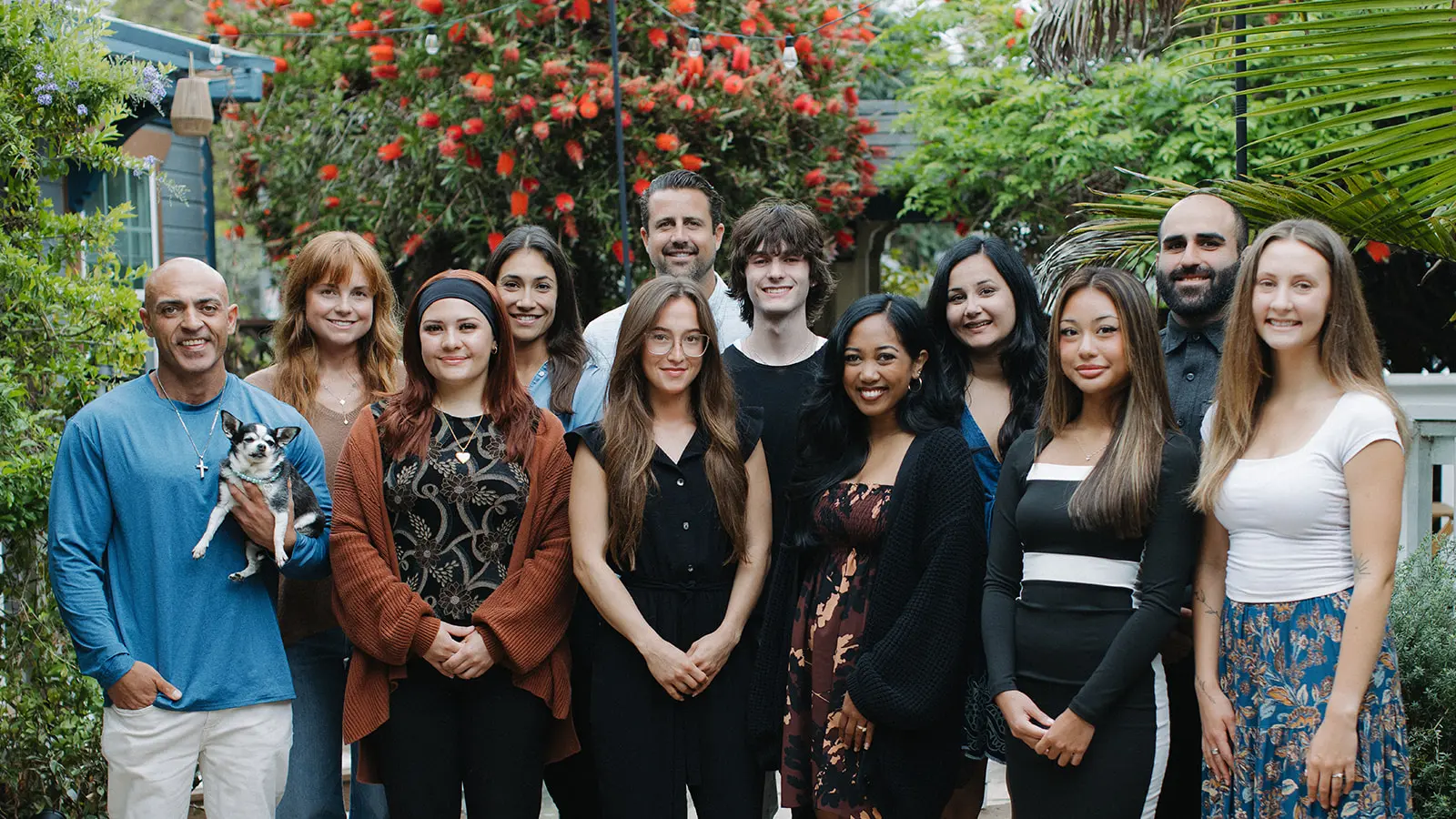
We’ve built a team of specialized coaches, movement therapists, and wellness professionals who approach healing from a multidimensional perspective. Whether you’re overcoming drug or alcohol abuse, healing from trauma, or rediscovering your identity after addiction, holistic healing supports you every step of the way.
Our goal is simple: to provide the structure, safety, and empowered healing space that allows you to thrive.
Our experienced team will help you develop a recovery plan customized for your individual needs.
You can come and visit and be on your way to taking control of your life again.
What is Equine Therapy?
Equine therapy is an experiential approach that incorporates guided interactions with horses into therapeutic or personal-development activities. Depending on the program, participants may groom, lead, care for, or work alongside horses while practicing skills such as communication, emotional regulation, trust, mindfulness, and problem-solving. Many programs are conducted on the ground rather than involving horseback riding.
The use of horses in therapeutic settings developed throughout the 20th century, with organized approaches expanding significantly from the 1960s onward. Today, several distinct equine-assisted services exist, ranging from recreational and educational programs to structured mental health interventions provided by qualified professionals.
For substance use disorder treatment, equine therapy is generally considered a complementary or experiential component of a broader treatment program rather than a stand-alone treatment. It can provide opportunities to practice recovery skills in real-time while individual or group therapy addresses the underlying causes and consequences of substance use. Depending on the program, equine activities may be combined with cognitive behavioral therapy, trauma-informed therapy, group counseling, relapse-prevention planning, medical care, and other evidence-based services. The goal is to help participants transfer skills developed with the horses into relationships, emotional challenges, and everyday recovery.
Benefits of Equine Therapy for Addiction & Mental Health Treatment
- Builds self-confidence: Completing activities with horses can strengthen self-esteem, confidence, and a sense of accomplishment during recovery and mental health treatment.
- Improves emotional regulation: Interacting with horses provides opportunities to recognize emotions, manage reactions, and practice staying calm during challenging situations.
- Develops trust: Working with an animal can help participants practice patience, consistency, boundaries, communication, and trust.
- Strengthens communication: Participants learn to use body language, awareness, and clear communication, skills that can transfer to personal and therapeutic relationships.
- Supports stress and anxiety management: Grooming, leading, and caring for horses can encourage mindfulness, relaxation, and healthy ways of managing stress.
- Encourages accountability: Caring for and working with an animal reinforces responsibility, consistency, follow-through, and personal accountability.
- Provides healthy connection: Equine activities offer a substance-free environment for developing positive relationships, social skills, and a sense of belonging.
- Supports healthy coping skills: Participants can practice coping, problem-solving, patience, frustration tolerance, and boundary-setting in an experiential environment.
- Promotes self-awareness: Working with horses can encourage participants to recognize how their thoughts, emotions, behaviors, and body language affect their interactions.
- Builds resilience: Navigating new or challenging activities can help participants practice adaptability, perseverance, and responding constructively to setbacks.
- Supports recovery and mental health goals: Equine therapy can reinforce skills related to cravings, stress, anxiety, depression, emotional regulation, relationships, and relapse prevention.
- Complements traditional therapy: Equine therapy can reinforce skills discussed in individual and group counseling, CBT, trauma-informed therapy, and other evidence-based services as part of a comprehensive treatment plan.
What to Expect During Equine Therapy for Addiction & Mental Health Treatment
Equine therapy for addiction treatment combines guided interactions with horses, therapeutic activities, and clinical support as part of a broader recovery plan. Participants may work with horses through grooming, leading, groundwork, observation, or other structured activities. Sessions are designed to help participants practice skills such as emotional regulation, communication, trust, patience, confidence, boundaries, and healthy coping.
A typical session may last approximately 60 to 90 minutes, depending on the program and participant needs. Sessions may begin with 10 to 15 minutes of check-in and goal setting, followed by 30 to 50 minutes of structured activities with the horses. The final 15 to 25 minutes may be used for reflection and discussion, helping participants connect what they experienced with their recovery goals.
Equine therapy may be facilitated by a licensed mental health or addiction professional working alongside a qualified equine specialist or trained horse professional. The specific credentials required depend on the type of service being provided and the professional’s role. When equine activities are incorporated into clinical treatment, appropriate clinical oversight and animal-handling and safety training are important.
Frequency varies by treatment program and individual needs. Sessions may take place once or twice per week or be incorporated into a structured treatment schedule. Participants should be medically and clinically stable enough to participate safely and able to follow basic instructions around horses.
Equine therapy may not be appropriate for individuals who are intoxicated, experiencing acute withdrawal, medically unstable, experiencing an acute psychiatric crisis, or unable to safely interact with animals. Participants should be screened for relevant medical, behavioral, and safety considerations before participating.
Experience a Higher Standard of Care – Join a Community That Heals Together
At Carlsbad Beach Recovery, we don’t just treat addiction—we help you rebuild your life within a supportive, connected community. Holistic addiction recovery in San Diego combines luxury, personalized treatment, and evidence-based care to create an environment where transformation occurs daily. If you’re ready to experience the power of inclusion, personalized recovery, and private, beachside living, it’s time to take the next step.
Call us now and discover how we can help you with our local holistic rehab and start a new chapter of recovery with a trained, certified, licensed counseling team with decades of combined experience!
How Equine Therapy is Integrated into Addiction Treatment Programs
Equine therapy is typically integrated into addiction treatment as one component of a multidisciplinary recovery plan, rather than as a replacement for clinical care. Participants may combine equine therapy with individual counseling, group therapy, cognitive behavioral therapy (CBT), trauma-informed therapy, family therapy, medical care, medication-assisted treatment when appropriate, and relapse-prevention planning. Individual counseling can address the underlying causes and consequences of substance use, while CBT helps participants recognize triggers, change unhelpful thought patterns, and develop healthier coping strategies. Group therapy provides peer support and accountability, trauma-informed therapy can address past experiences and emotional patterns, and family therapy can strengthen communication and support systems.
Within this broader treatment plan, equine therapy provides an experiential setting where participants can practice these skills through structured activities with horses. Grooming, leading, and groundwork can help participants explore communication, boundaries, patience, emotional regulation, trust, and responsibility. A therapist can then help connect these experiences to real-life recovery challenges, such as managing conflict, responding to stress, building relationships, or handling cravings. This combination allows participants to practice recovery skills in an active environment and reinforce what they are learning through traditional therapy.
Equine therapy can be incorporated into several levels of addiction treatment, depending on the program and the participant’s clinical needs. It may be offered within residential treatment, partial hospitalization programs (PHP), intensive outpatient programs (IOP), and outpatient care. In residential and PHP settings, equine therapy may be included as part of a structured weekly treatment schedule, while IOP and outpatient programs may use it as a supplemental experiential therapy alongside individual and group counseling.
Equine therapy can also be incorporated into aftercare and continuing care to support ongoing recovery, healthy coping skills, connection, and relapse-prevention goals. It is generally used as a complementary component rather than a replacement for clinical treatment, with participation determined by the individual’s treatment plan, medical stability, and ability to safely participate in activities with horses.
Equine Therapy Exercises & Topics
- Grooming and mindfulness: Participants groom a horse while practicing focus, breathing, and present-moment awareness, which can support stress and anxiety management.
- Leading exercises: Participants lead a horse through a simple course while practicing communication, patience, confidence, and emotional control.
- Healthy boundaries: Activities help participants recognize and communicate physical and emotional boundaries while exploring how boundaries apply to relationships and recovery.
- Emotional regulation: Participants observe how their emotions, body language, and energy can affect a horse, creating an opportunity to practice staying calm and regulated.
- Trust and connection: Guided activities encourage participants to explore trust, consistency, vulnerability, and building healthy relationships.
- Problem-solving: Participants work through obstacles with a horse while developing flexibility, patience, decision-making, and resilience.
- Responsibility and accountability: Horse-care activities reinforce consistency, responsibility, follow-through, and personal accountability, all of which can support recovery.
- Recovery and mental health reflection: After an activity, participants discuss how the experience relates to cravings, triggers, anxiety, depression, stress, relationships, emotional challenges, or other treatment goals.
- Communication skills: Participants practice clear verbal and nonverbal communication while exploring how communication patterns affect relationships and emotional well-being.
- Confidence building: Successfully completing a new activity provides opportunities to recognize personal strengths, challenge negative self-beliefs, and build confidence in recovery and daily life.
- Stress and anxiety management: Participants practice breathing, grounding, and relaxation techniques while working with horses and learn how to apply these skills outside of treatment.
- Self-awareness: Participants explore their thoughts, emotions, physical responses, and behavioral patterns through their interactions with the horse.
- Distress tolerance: Structured activities provide opportunities to experience frustration or discomfort while practicing healthy responses instead of avoidance or impulsive behaviors.
- Healthy coping: Participants identify substance-free strategies for managing difficult emotions, stress, cravings, anxiety, and other mental health challenges.
- Goal setting: Participants establish achievable goals for each session and reflect on their progress, helping reinforce motivation and a sense of accomplishment.
Does Insurance Cover Equine Therapy for Addiction & Mental Health Treatment in San Diego, CA?
Insurance generally does not cover equine therapy as a standalone service. However, it may be included as part of a covered addiction treatment program when the underlying clinical services meet the plan’s medical-necessity and coverage requirements. Whether the equine component itself is covered depends on the insurance plan, treatment provider, and how the service is structured and billed. Patients should verify coverage with their insurance provider before beginning treatment.
We understand that talking about insurance can feel overwhelming—but it doesn’t have to be. Carlsbad Beach Recovery proudly works with most major providers. We’ll verify your benefits, break down your coverage, and walk you through every detail—with care and transparency. No stress, no guesswork—just support from people who care.






Getting started is simple. Call us now or complete our insurance verification form, and we’ll guide you every step of the way.
Begin Your Whole-Person Recovery Today
You deserve a recovery experience that treats all of you—not just the addiction. At Carlsbad Beach Recovery, our Holistic Therapy services integrate nutrition, mindfulness, physical activity, emotional healing, and life reintegration to help you thrive.
Call us today or complete our insurance verification form to learn more, ask questions, or enroll.
Healing is not a destination—it’s a lifestyle. Let’s build yours together.