
Breathwork therapy uses intentional breathing patterns to calm the nervous system, ease stress, and reconnect your mind and body. Across San Diego County, people in recovery are turning to this practice to manage cravings, quiet anxious thoughts, and build steadier emotional responses. With each session, your breath becomes a tool you can carry into daily life.
At Carlsbad Beach Recovery, breathwork is part of a whole-person approach to treating mental health disorders and addiction in adults. It pairs with evidence-based therapies like Eye Movement Desensitization and Reprocessing (EMDR), along with beach yoga, meditation, and sound therapy. Our programs include Partial Hospitalization Programs (PHPs) and in-person or online Intensive Outpatient Programs (IOPs); we also offer sober-living arrangements. Read on and call (442) 500-1336 today to learn how breathwork therapy can complement your comprehensive treatment plan.
Mental Health Treatment Therapies Are a Phone Call Away!
Schedule a confidential consultation today and learn how Carlsbad Beach Recovery can help you move forward.





What Is Breathwork Therapy?
Breathwork therapy is a set of intentional breathing practices that promote relaxation, stress management, and emotional awareness. By changing the pace, depth, and pattern of your breath, you can shift how your body responds to tension and how your mind handles difficult feelings.
According to the International Breathwork Foundation, the roots of this therapy trace back to Eastern spiritual traditions, where breath control sits at the center of meditation, yoga, and tantra. In the mid-1900s, Western psychotherapy pioneers like Wilhelm Reich began to recognize the breath’s influence on emotional health. The counterculture movement of the 1960s then brought breathwork into wider use as both a spiritual and therapeutic practice.
Several of today’s best-known methods grew out of that era. Psychiatrist Stanislav Grof and his wife, Christina, developed Holotropic Breathwork based on Grof’s experience in psychiatric institutions. Leonard Orr introduced Rebirthing Breathwork in the late 1960s while searching for spiritual growth and expanded consciousness. In 1994, a gathering of breathwork professionals in Sweden led to the founding of the International Breathwork Foundation.
Breathwork now appears in many mainstream psychotherapy training programs, and breathing circles meet in more than 20 countries. Research also backs the use of breathwork therapy for addiction. A 2026 review published in the journal Addiction looked at 20 studies involving more than 1,200 people and found that controlled breathing reduced cravings for nicotine, alcohol, opioids, and stimulants. For you, that means a practical way to calm your nervous system and stay present with emotions instead of reacting to them.
How Does Breathwork Work?
Breathing is the only automatic body function you can bring under full voluntary control, according to the American Physiological Society. Slower, calmer breathing promotes activity in your parasympathetic nervous system, the body’s rest-and-digest mode, which then influences your heart and other organs.
A 2023 study in Cell Reports Medicine outlines several ways breathwork may affect your brain:
- Long, slow exhales can increase activity along your vagus nerve, signaling your body to settle.
- Slow breathing may lower activity in the anterior insula, a brain region linked to high anxiety.
- Nasal breathing is linked to synchronized activity in the amygdala and hippocampus, areas tied to emotion and memory.
- Consciously controlling your breath can boost your sense of control, which is linked to lower anxiety.
What to Expect During Breathwork Therapy for Mental Health & Addiction Treatment
During breathwork at Carlsbad Beach Recovery, a facilitator guides you through conscious connected breathing exercises that change the pace and depth of your breath, then gives you space to notice what comes up, physically and emotionally. Sessions take place in a calm, judgment-free setting.
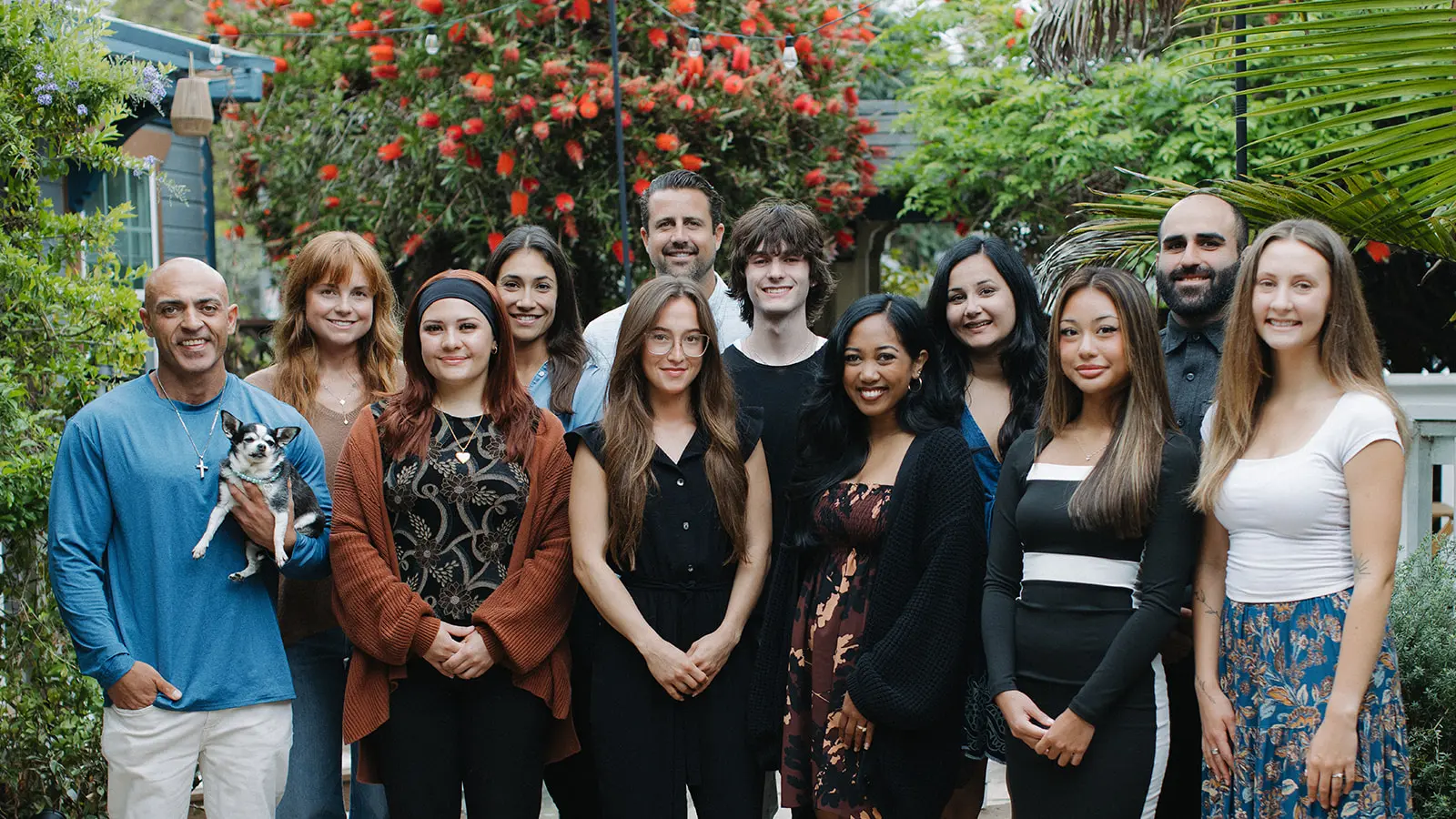
Facilitators vary by service and schedule. Our staff includes a Doctor of Medicine (MD), a Doctor of Physical Therapy (DPT), Licensed Clinical Social Workers (LCSWs), psychologists, Licensed Marriage and Family Therapists (LMFTs), and master’s-level associates. With medical, physical, and mental health expertise under one roof, your care draws on multiple perspectives.
How long you stay in treatment at our Joint Commission-accredited rehab in San Diego County depends on your level of care. Our Partial Hospitalization Program (PHP) runs 9 a.m. to 4 p.m. Monday through Friday, while our Intensive Outpatient Program (IOP) runs 9 a.m. to noon, with the number of days each week tailored to you. The overall length of your program depends on your goals and progress, and your treatment team adjusts your plan as your needs change.
Breathwork is just one piece of a broader treatment plan. Depending on your needs, you may also take part in individual therapy, group counseling, EMDR, narrative therapy, and somatic psychotherapy. Holistic offerings like beach yoga, meditation, mindfulness, sound therapy, and art therapy round out your week. Contact us today to schedule a free assessment and learn which program fits your goals.
What Can Breathwork Help Treat?
Addiction, depression, anxiety, and trauma often feed into one another. Many people start using drugs or drinking to quiet painful memories or racing thoughts, but substance use tends to deepen those symptoms over time. Breathwork gives you a way to calm your body’s stress response without reaching for a substance.
At Carlsbad Beach Recovery, breathwork works alongside therapy to address these overlapping conditions. Breathwork for anxiety settles a racing heart and quiets anxious thoughts. If you live with depression, focused breathing can lift your mood and reconnect you with your body. Trauma-informed breathwork for conditions like Post-Traumatic Stress Disorder (PTSD) offers a body-based way to regulate your nervous system and feel safe in the present moment. During recovery, these skills give you a tool for managing cravings and triggers.
Who Is Breathwork Best For?
Breathwork is a good fit if you want a practical, drug-free way to manage stress, anxiety, or cravings. It works well if you’re an adult in recovery from substance use, are living with depression or trauma, or if you feel disconnected from your body. No experience is necessary, and sessions meet you where you are.
Faster, more intense techniques call for extra caution. A review in Frontiers in Psychiatry found that side effects showed up more often with fast breathing than with slow breathing. The Cleveland Clinic also advises against intense methods like holotropic breathwork if you are pregnant, breastfeeding, or have a history of heart problems, high blood pressure, recent injury or surgery, psychosis, or seizure disorders. Your care team at Carlsbad Beach Recovery can adjust each session to you.
Examples of Breathwork for Addiction & Mental Health Treatment
Breathwork works best when you have specific techniques ready for the moments that challenge your recovery. Each one takes only a few minutes, needs no equipment, and works anywhere, from a group session at Carlsbad Beach Recovery to your car before a tough conversation. Here’s how different methods fit real situations:
- When a Craving Hits: Resonant breathing, about 6 slow breaths per minute, calms your body while the urge to use substances passes.
- Before a Stressful Conversation: Box breathing, where you inhale, hold, exhale, and hold for 4 counts each, steadies your focus.
- During a Spike of Anxiety: Cyclic sighing, 2 inhales through the nose followed by a long exhale, settles your body quickly.
- When a Trauma Memory Surfaces: Slow belly breathing brings your attention back to the present moment.
- When Sleep Won’t Come: Exhaling for longer than you inhale tells your body it’s safe to rest.
At Carlsbad Beach Recovery, you practice these techniques until they feel natural, so they’re ready when you need them most. Contact us to learn more about the breathwork therapy we offer as part of your outpatient mental health treatment in Carlsbad.
Benefits of Breathwork for Mental Health & Addiction Treatment
Breathwork offers more than a few minutes of calm. With regular practice, your breathing can change how your body reacts to stress, how your mind handles difficult emotions, and how prepared you feel for life after treatment. For many people in recovery, these gains build on each other and strengthen the work you do in therapy each week.
Here are a few of the benefits of incorporating breathwork into your program at Carlsbad Beach Recovery:
- Lower Stress: Slow, steady breathing activates your parasympathetic nervous system, your body’s rest-and-digest mode. Over time, that shift makes it easier to stay calm under pressure.
- Fewer Cravings: A 2026 review in Addiction found that controlled breathing reduced cravings for nicotine, alcohol, opioids, and stimulants. That gives you a practical tool for riding out urges.
- Improved Mood: In the 2023 study in Cell Reports Medicine, 5 minutes of daily cyclic sighing boosted positive mood more than mindfulness meditation did.
- Relief From Anxiety: A 2023 review in Brain Sciences found that a range of breathwork methods significantly improved anxiety symptoms in adults diagnosed with anxiety disorders.
- Greater Emotional Awareness: Paying close attention to your breath teaches you to notice emotions as they arise. Instead of reacting on impulse, you can pause and choose how to respond.
- A Stronger Sense of Control: Consciously directing your breath can increase your sense of control, which researchers link to lower anxiety.
- A Drug-Free Coping Skill: Breathwork needs no equipment or prescription. Once you learn it, you can use it at home, at work, or anywhere a stressful moment catches you off

Does Insurance Cover Breathwork for Addiction & Mental Health Treatment in San Diego County, CA?
Yes, health insurance may cover breathwork as part of a full addiction or mental health treatment program in San Diego County. At Carlsbad Beach Recovery, breathwork is part of our programs, so coverage for your level of care may extend to these sessions as well.
Checking your benefits with us is the first step. We work with many major insurance providers, including Blue Cross Blue Shield (BCBS), Anthem, Aetna, Cigna, UnitedHealthcare, Magellan, and Government Employees Health Association (GEHA). Coverage depends on your policy details, the level of care you need, and whether your treatment is considered medically necessary.
Our admissions team can review your benefits and explain what your plan covers before you commit. Call (442) 500-1336 to verify your health insurance and start your recovery today.

 Trustindex verifies that the original source of the review is Google. Trustindex verifies that the original source of the review is Google. Trustindex verifies that the original source of the review is Google. Trustindex verifies that the original source of the review is Google. Trustindex verifies that the original source of the review is Google. Trustindex verifies that the original source of the review is Google. Trustindex verifies that the original source of the review is Google. Trustindex verifies that the original source of the review is Google. Trustindex verifies that the original source of the review is Google. Trustindex verifies that the original source of the review is Google.