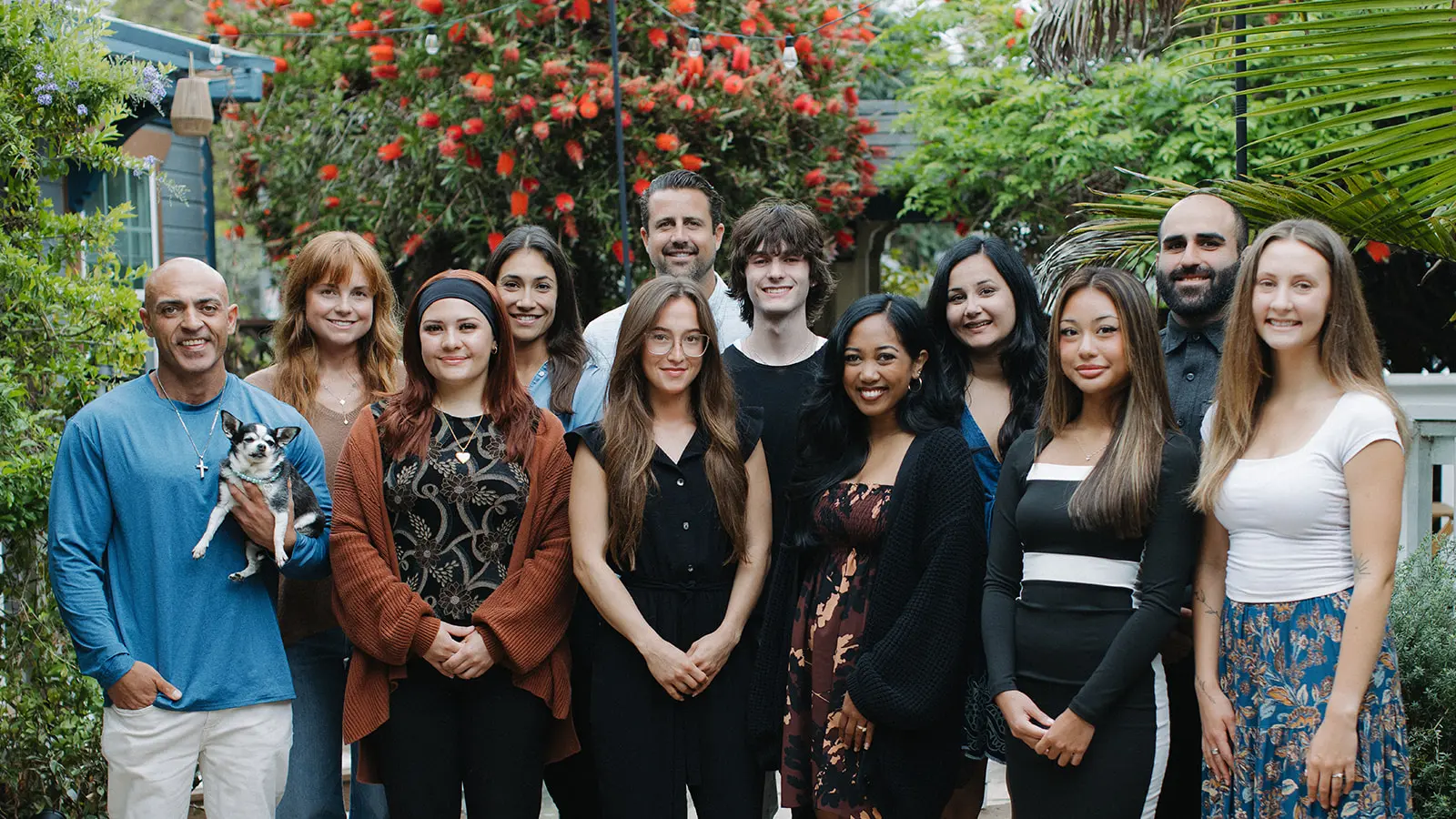

Trauma and addiction often go hand in hand. Unresolved trauma can fuel substance use, alcoholism, and behavioral addictions as ways to cope. At Carlsbad Beach Recovery, we offer trauma-informed therapy and dual diagnosis treatment that address both your addiction and underlying trauma. Our trauma-focused addiction recovery program uses evidence-based approaches to help you heal from what’s driving your addictive behaviors.
Mental Health Treatment Therapies Are a Phone Call Away
Schedule a confidential consultation today and learn how Carlsbad Beach Recovery can help you move forward.







What Is Trauma Therapy?
You might wonder why your addiction keeps pulling you back, even when you desperately want to stop. Often, there’s something deeper, like a painful memory, a loss, or a frightening experience, that your mind and body are still trying to process. Trauma therapy addresses that root cause instead of just treating the addiction symptoms.
Trauma therapy uses specific techniques to enable your nervous system to release what it’s been holding onto. Your therapist guides you through safely processing traumatic memories, so they no longer control your behavior. As your brain rewires and integrates these painful experiences into the tapestry of your story, the urge to use substances, gamble, or act out compulsively tends to ease naturally.
Trauma-informed care recognizes that addiction rarely exists in isolation. It acknowledges that childhood trauma, loss, abuse, or overwhelming stress often fuel addictive patterns. By treating both your trauma and addiction together (known as dual diagnosis treatment), you’re addressing what’s driving your behavior, not just masking it.
Ready to explore how trauma therapy could work for you? Call Carlsbad Beach Recovery at (442) 500-1336 to speak with someone about our trauma-focused addiction recovery programs.
The Connection Between Trauma and Addiction
Your brain has a built-in alarm system designed to keep you safe from danger. When trauma occurs, whether it’s childhood abuse, emotional neglect, sexual assault, or sudden loss, that alarm gets stuck in the “on” position. You then reach for substances, gambling, or food, or engage in compulsive behaviors to turn down the noise, creating a cycle that becomes addiction.
Research on Adverse Childhood Experiences (ACEs) reveals something crucial: untreated trauma significantly increases your risk of developing substance use disorder, alcoholism, gambling addiction, and other behavioral compulsions. Studies show that people with 4 or more ACEs are roughly 4 times more likely to struggle with addiction than those without traumatic histories.
At Carlsbad Beach Recovery, we understand this connection deeply. Our trauma-informed approach treats both the underlying trauma and the addiction simultaneously, recognizing that you can’t truly recover from one without addressing the other. Contact us today to discover how our holistic treatment programs can bring you lasting healing.
Trauma and Process Addictions
Process addictions, such as gambling, gaming, internet use, and shopping, work differently than substance use disorders, but trauma fuels them the same way. When you’ve experienced emotional pain, abuse, or loss, these behaviors become your escape hatch. They trigger dopamine release in your brain, giving you temporary relief from trauma symptoms like anxiety, shame, and emptiness.
Gambling addiction is particularly linked to trauma and mental health struggles. Research shows that approximately 82% of people with gambling disorder have at least one co-occurring psychiatric condition, with depression being the most common. Gaming and internet addictions follow similar patterns; they’re often rooted in unprocessed trauma that needs real attention. At Carlsbad Beach Recovery, we recognize that process addictions, such as gambling disorder, deserve the same trauma-informed care as substance use disorder.
The good news is that these behavioral patterns can shift once you address what’s underneath them. Trauma therapy rewires how your nervous system responds to pain, reducing the compulsive urge to escape. Whether your addiction involves compulsive gambling, gaming, shopping, or internet use, healing from the trauma that started it changes everything.
Trauma and Substance Use Disorder (SUD)
Substance use often begins to numb trauma. Whether it’s alcohol, opioids, stimulants, or other drugs, the substance becomes your coping mechanism for unbearable feelings. Childhood trauma, sexual abuse, combat experiences, or grief can all trigger the search for relief. Your body remembers the trauma even when your conscious mind tries to forget, and substances quiet that memory.
Alcohol Use Disorder (AUD) and drug addiction frequently mask profound trauma wounds. Many people don’t realize they’re self-medicating until their addiction has already caused serious damage: broken relationships, lost jobs, legal problems. But it’s imperative that you know the addiction isn’t a character flaw or moral failure. Your nervous system attempts to survive what happened to you. Carlsbad Beach Recovery treats Substance Use Disorder (SUD) through a trauma-informed lens, recognizing that lasting recovery requires simultaneously healing both the SUD and the underlying trauma.
When you address the trauma driving your substance use, the urge to use naturally diminishes. You’re no longer running from unbearable pain because you’ve finally processed it. Our dual diagnosis treatment combines evidence-based therapies that rewire how your brain responds to trauma triggers, making sobriety sustainable rather than a constant battle you must fight.
How Does Trauma-Informed Addiction Treatment Work?
Trauma-informed addiction treatment starts with safety. Your therapist creates an environment where you feel genuinely heard and respected, not judged or pressured. This foundation of trust is essential because trauma survivors often learned to distrust others. When you feel safe, your nervous system can finally relax enough to do the real healing work.
At Carlsbad Beach Recovery, our compassionate team prioritizes your psychological safety and empowerment from your first session onward. Rather than just stopping substance use or compulsive behavior, we identify the core emotional wounds driving it. You’ll work with your therapist to process past trauma safely, whether that’s childhood abuse, loss, abandonment, overwhelming stress, or something else entirely.
Through evidence-based therapies like somatic experiencing and EMDR for addiction, you’ll rewire how your nervous system responds to trauma triggers. As you heal the wounds underneath, you naturally develop healthier coping mechanisms that sustain long-term sobriety and genuine recovery.
Evidence-Based Trauma-Focused Therapies for Addiction
Carlsbad Beach Recovery uses several evidence-based therapies to treat trauma and addiction together. These aren’t generic talk therapies; they’re targeted approaches that help your brain and body process traumatic memories while breaking the addiction cycle. Each therapy works differently, but they all share one goal: healing the trauma that fuels compulsive behavior.
When you address trauma directly, addiction loses its grip. Your brain no longer needs the substance or behavior as an escape. The therapies below have strong research backing them for dual diagnosis treatment. We’ll work with you to find which approach, or combination of approaches, fits your needs best.
Eye Movement Desensitization and Reprocessing (EMDR)
EMDR therapy uses rhythmic eye movements or other forms of bilateral stimulation while you recall traumatic memories. This technique helps your brain reprocess trauma, reducing its emotional charge. When traumatic memories lose their power, the urge to use or act compulsively diminishes. EMDR rewires how your nervous system responds to trauma triggers, creating lasting relief.
Trauma-Focused Cognitive Behavioral Therapy (TF-CBT)
TF-CBT identifies and changes thought patterns that fuel trauma responses and addiction. You’ll recognize how trauma beliefs like “I’m damaged” drive cravings and compulsive behavior. By working through traumatic memories and replacing distorted thinking, you break the connection between trauma and addictive urges. This builds new neural pathways that support sobriety and resilience.
Somatic Experiencing
Somatic experiencing homes in on how trauma gets stuck in your body as trapped nervous system activation. Your therapist guides you to safely notice and release this trapped energy, restoring your body’s natural ability to regulate itself. As your nervous system heals, you’re less driven to numb or act compulsively. This approach addresses the physical sensations underneath cravings, not just thoughts.
Internal Family Systems (IFS) / Inner Child Work
IFS recognizes that trauma creates fragmented parts of yourself, some protective, some wounded. Your child parts may carry trauma, while other parts developed protective behaviors like addiction. IFS allows these parts to communicate and heal together. When wounded parts receive compassion and safety, they no longer need addiction as a survival strategy. This creates internal harmony and reduces addictive impulses.
Outpatient Trauma Therapy for Addiction in San Diego
If you’re ready to heal from trauma and addiction without leaving your life behind, outpatient care offers real flexibility. Carlsbad Beach Recovery’s Intensive Outpatient Program (IOP) and Partial Hospitalization Program (PHP) let you attend therapy while maintaining work, family, and daily responsibilities. You’ll receive the same evidence-based trauma treatment in a practical and sustainable format.
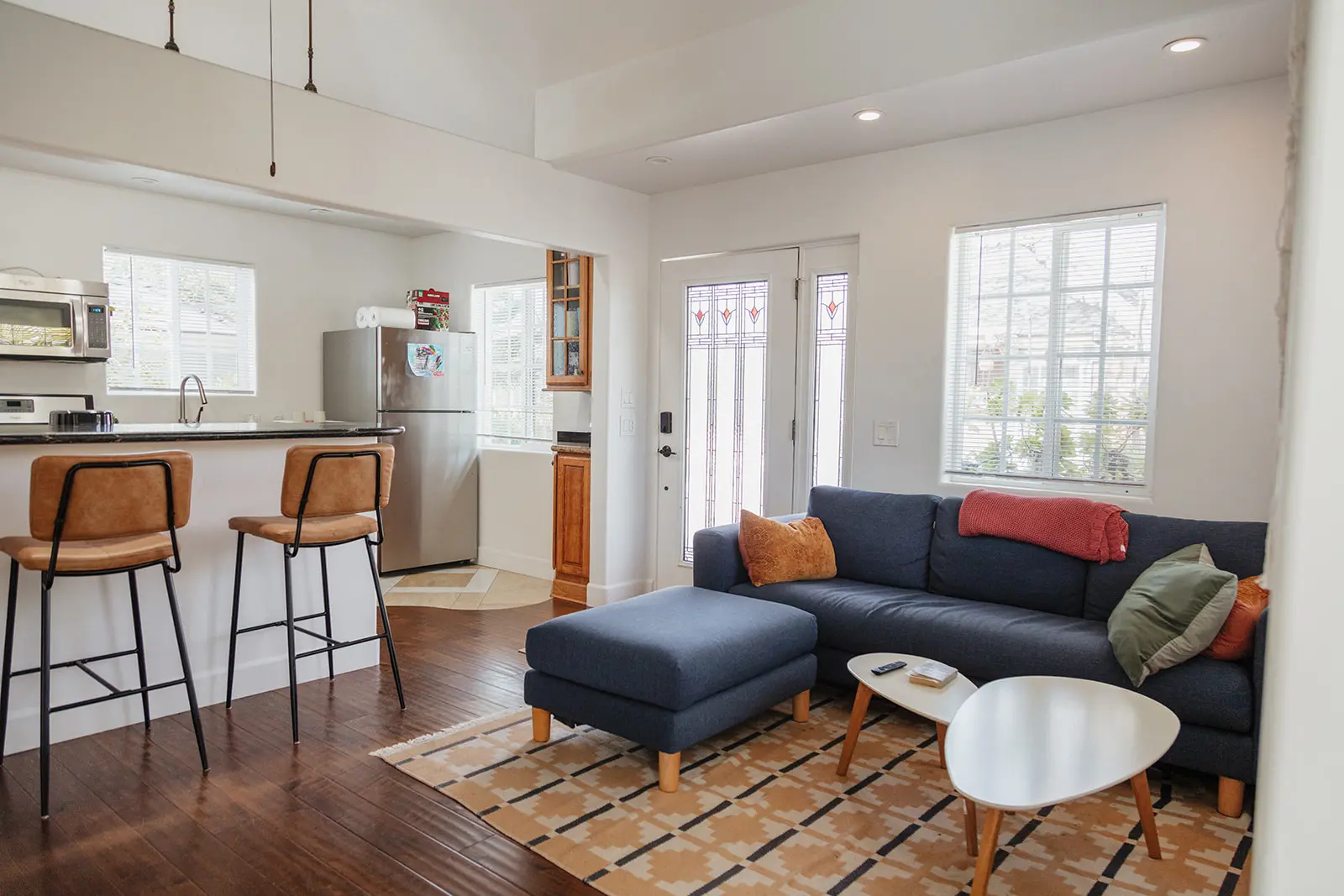
Located at 3081 Madison St, Carlsbad, CA 92008, just minutes from the Pacific Coast, our center combines clinical expertise with the healing power of our coastal setting. Our San Diego location isn’t accidental. You’ll attend trauma therapy sessions alongside peers who understand your struggle, then step outside to breathe ocean air and ground yourself in nature.
We supplement comprehensive addiction recovery with beach yoga and other supplemental therapies, which calm your nervous system and help you reconnect with your body. Whether you choose our IOP or PHP, you’re receiving trauma-informed care tailored to your life.
Your recovery doesn’t happen in isolation; it happens here, in community, with expert support. Call Carlsbad Beach Recovery at (442) 500-1336 and take your first step toward lasting healing.
Sustaining Recovery Through Structured Sober Housing and Ongoing Care
Carlsbad Beach Recovery offers sober living through Carlsbad Bungalows, located just a short distance from our treatment center. Living in a sober environment surrounded by others committed to recovery reinforces everything you’ve learned in treatment. You’ll benefit from accountability, community, and the stability you need while your nervous system continues to heal. This bridge prevents relapse and anchors your rehabilitation.
Recovery doesn’t end when outpatient sessions finish. Aftercare is where real, lasting recovery takes root. We don’t just discharge you—we keep supporting you through ongoing individual therapy, group sessions, and peer connections. Many clients continue trauma-focused work after PHP or IOP ends, deepening their healing over time. This aftercare programming makes it seamless to stay connected and accountable. We’re here to ensure your recovery momentum never stops.
Cost and Insurance Coverage for Trauma-Informed Addiction Recovery in Carlsbad, CA
Trauma therapies like EMDR, somatic experiencing, and IFS are integrated into Carlsbad Beach Recovery’s comprehensive treatment plans. You won’t pay extra for specialized trauma care. Whatever program format you choose, evidence-based trauma treatment is included. We also accept insurance from numerous carriers, including Aetna, Cigna, UnitedHealthcare, and UMR, among others.
We can verify your coverage before you start treatment. Many clients pay little to nothing out of pocket with solid coverage. Our admissions team will review your specific plan, explain what’s covered, and discuss any out-of-pocket costs upfront. Transparency about treatment expenses is part of our commitment to you. Reach out today and let’s explore options that work for your situation.
FAQs About Trauma Therapy for Addiction
You likely have questions about how trauma therapy works and whether it’s right for you. Stepping into recovery is vulnerable, and you deserve clear answers before committing. These frequently asked questions address common concerns we hear from people like you every day. We’re here to demystify trauma-informed addiction treatment so you can make an informed decision about your healing.
Do I Have to Talk About My Trauma Right Away?
No. Your therapist prioritizes safety first, always. You’ll build trust and stabilize before processing traumatic memories in depth. Early sessions center on grounding techniques, coping skills, and creating a sense of control. You move at your own pace – there’s no rush or pressure to dive into painful material before you’re genuinely ready to do that work.
Can I Treat My Addiction First and Deal With Trauma Later?
Not effectively. Trauma and addiction are intertwined, and treating one without the other leaves the root cause untouched. You might stop using temporarily, but without wading through the underlying trauma, cravings and relapse risk remain high. Trauma-informed addiction recovery addresses both simultaneously, breaking the cycle completely. This dual approach creates sustainable sobriety instead of white-knuckling through recovery.
How Do I Know if My Addiction Is Rooted in Trauma?
Many people with addiction have experienced trauma, whether obvious (physical abuse, loss) or subtle (neglect, chronic stress). Common signs include using substances or engaging in compulsive behavior to escape painful feelings that are triggered by reminders of past events, or struggling with trust and shame. A trauma-informed assessment can clarify your specific history.
What Is the Difference Between Standard Addiction Treatment and Trauma-Informed Therapy?
Standard addiction care focuses primarily on symptom management, behavioral accountability, and relapse prevention. Trauma-informed care looks beneath the surface, asking “What happened to you?” rather than “What is wrong with you?” This approach addresses the physical dependence and the core emotional pain behind it.
Posted on Google KariJune 3, 2026
Trustindex verifies that the original source of the review is Google.
I just had an introduction to Beach Recovery's PHP and IOP programs. Finding specialized care for gambling and social media addiction is incredibly difficult, but this program addresses the complexities and behaviors of these addictions.They don't just focus on "stopping" the addiction; they teach you how to build a healthy relationship with technology and how to navigate addiction triggers in your life. If you or a loved one are struggling with digital dependence or gambling, or other forms of addiction, including substance use, check out Beach Recovery.Posted on GoogleLisaMay 18, 2026I came to the center for a severe gambling addiction because everything I had tried in the past never worked. I tried 12 step groups, support groups, therapy, managing it on my own and quitting cold turkey . After coming to Carlsbad Beach Recovery, I was introduced to new tools and very experienced therapists in the field of gambling and was able to identify why I did what I did, learn about the brain, childhood trauma, and process all of the underlying reasons why I was acting compulsively and addictively. Without that awareness, I might have never made it. I was literally at the end of my rope, and they saved my life. I highly recommend this program for anybody struggling with a gambling addiction because it’s a very unique addiction and requires very specialized treatment. I had quit gambling in the past, but the obsession and the desire never went away. I am now 65 days off gambling and I have zero desire to ever go back to that horrible dark lifestyle. I’m finally in a place where my desire to heal and feel better outweighs my desire to act out compulsively. Thank you so much to everybody who works here.Posted on GoogleCarsonApril 10, 2026I arrived at Carlsbad Beach Recovery feeling broken, but my experience here has been nothing short of transformative, thanks to the outstanding staff and the welcoming atmosphere. My perspective on life has shifted dramatically, and I have received the support I desperately needed. Nima is not only highly professional but also genuinely compassionate, fostering an environment where I feel safe to be vulnerable. The group sessions offer invaluable insights into living a sober life, making this a highly recommended place for anyone looking to start or continue their recovery journey. I am profoundly grateful for my time here and would gladly stay indefinitely if it were possible.Posted on GoogleAshleyApril 9, 2026Carlsbad Beach Recovery stands out as a beacon of excellence in client care, deserving of recognition for its unwavering commitment to those it serves. The organization goes above and beyond to ensure that clients feel valued, supported, and protected throughout their recovery journey. Their dedication is evident in the way they provide essential treatment tailored to individual needs, ultimately helping clients reclaim their lives. The staff members exhibit a remarkable blend of compassion and professionalism, taking their responsibilities seriously while fostering an environment that is both enjoyable and engaging. This unique approach not only enhances the therapeutic experience but also builds a strong sense of community among participants. I wholeheartedly recommend this program, as it truly offers an unparalleled level of service and support that is difficult to find elsewhere. I would give them 10 stars if I could.Posted on GoogleNatalieMarch 12, 2026I recently visited this facility as a licensed clinical social worker with an addiction certification for networking as well as to scout out IOPs (intensive outpatient program) for any client of mine that needs a higher level of care than what I can provide at the outpatient level. They offer both PHP (6 hrs/day) and IOP (3 hrs/day) programs filled with psycho-educational groups with comprehensive trauma-informed psychotherapy, adventure and holistic activities, & case management services etc. I was more than impressed with the friendliness & energy of the staff, the aesthetic aspects of the facility, and would not hesitate to send any client or friend to Carlsbad Beach Recovery.Posted on GoogleJennyFebruary 12, 2026My time at CBR has truly been transformative, due to the exceptional staff and welcoming environment. The staff members are not only professional but genuinely caring, which creates a space where I feel comfortable being vulnerable. The groups provide valuable insights on how to live and maintain a sober life. I highly recommend CBR for anyone seeking a supportive environment to begin or continue their recovery journey. I'm incredibly grateful for my experience here.Posted on GoogleNabilFebruary 12, 2026Coming to Carlsbad beach recovery after my detox was a scary process for me. I was received with worm arm and the staff all around are very attentive and understanding of what is the recovery from the the addiction and cater with a plan and guidance for sobriety.. I feel good all around today than when I joined the program and for that I will always be grateful. Thank you Carlsbad beach recoveryPosted on GoogleEricaFebruary 12, 2026Carlsbad Beach recovery has helped me in so many ways without this company I would never have found my way to sobriety. I am so happy with the service that I received such a loving and caring Staff all the way from clinical down to house management A1 top-notch.Posted on GoogleArvinNovember 23, 2025Carlsbad Beach Recovery is truly life-changing. From the moment I walked through the door, I felt welcomed, supported, and understood. The staff is compassionate, knowledgeable, and genuinely committed to helping each person succeed in their recovery. Their outpatient program is structured, flexible, and incredibly effective—perfect for anyone who wants strong support without stepping away from daily responsibilities. The therapists and counselors take the time to understand your unique situation and tailor the program to your needs. Group sessions are uplifting and insightful, and the one-on-one support helped me gain clarity and confidence in my sobriety. I especially appreciated the calm, peaceful environment—being so close to the beach added a sense of healing and balance. I’m leaving this program with tools, strength, and hope I never thought possible. If you or someone you love is seeking outpatient treatment, I highly recommend Carlsbad Beach Recovery. They truly care, and it shows in every part of the experience.Posted on GoogleMartinNovember 13, 2025⭐️⭐️⭐️⭐️⭐️ FINALLY 🗣️ A Rehab That Actually Cares — Carlsbad Beach Recovery Is The Real Deal! My partner and I just finished our stay at Carlsbad Beach Recovery, and I’ve never experienced a place run with this much heart. Melody, Nima, Bobby, Cayden, Celine, and the whole team there are WORLD-CLASS human beings. They didn’t just “do their job” — they made us feel seen, supported, and genuinely cared for in a way I’ve never experienced in treatment. I was able to finally muster enough courage to publish my book and it happened here at CBR. I cannot scream praises high enough for this team. This is a new rehab outside the fast paced life of the city, but it’s not your standard OC/SD shuffle either — it already feels different. You can tell they’re building something sacred. Melody has the kind of leadership that makes people believe in themselves again, and the staff follows her with the same intentionality and compassion. They treat you like family from the moment you walk in the door. They also work with couples in a way that’s safe, structured, and honestly life-changing. Even when separated, you’re literally only a few steps away from your person, and that closeness meant the world to us. Just the group instructors there will challenge you to your core, and help you so much because they’re so well rounded, you just trust them. Every single human at this organization loves what they do and it shows in everything they do. I miss it already 🥹 Carlsbad Beach Recovery gave us hope, community, and a sense of belonging we desperately needed. I truly expect big things from this place as they grow, and I’m grateful to have been part of the beginning. If you’re looking for a place that’s pure, supportive, and built on real love and intention — this is it. — ML You guys rock. Never stop working for the addict that still suffers. Please. We needed you guys so bad. Thank you. P.S. just in one week they took me on the best outing I’ve ever been to at Dave and Busters, and then took it a step further and visited the most beautiful garden in California in Encinitas. Don’t walk. Run. You’re safe here. I wrote and published both of these books while in treatment here. You can do it too!
Understanding the Link: Trauma and Addiction Data
- People who’ve experienced trauma related to sexual assault have a significantly higher risk (15.4%) of developing an alcohol addiction, while those who’ve lived through combat trauma have a 12.1% risk.
- According to the National Governors Association, approximately 3 out of 4 individuals who currently have a substance use disorder have experienced some form of trauma in their lives.
- Nearly 1 in 4 people with gambling disorder have experienced a significant traumatic event in their lives.
- Most adults struggling with addiction to stimulants experienced multiple Adverse Childhood Experiences (ACEs). About 65% of people with current methamphetamine addiction and nearly 60% with current cocaine addiction reported at least two ACEs.
- Women in cocaine addiction treatment reported sexual trauma at nearly double the rate of women in the general community (58% vs. 33%). Men in treatment reported being threatened with a weapon at much higher rates than men in the community (75% vs. 52%).