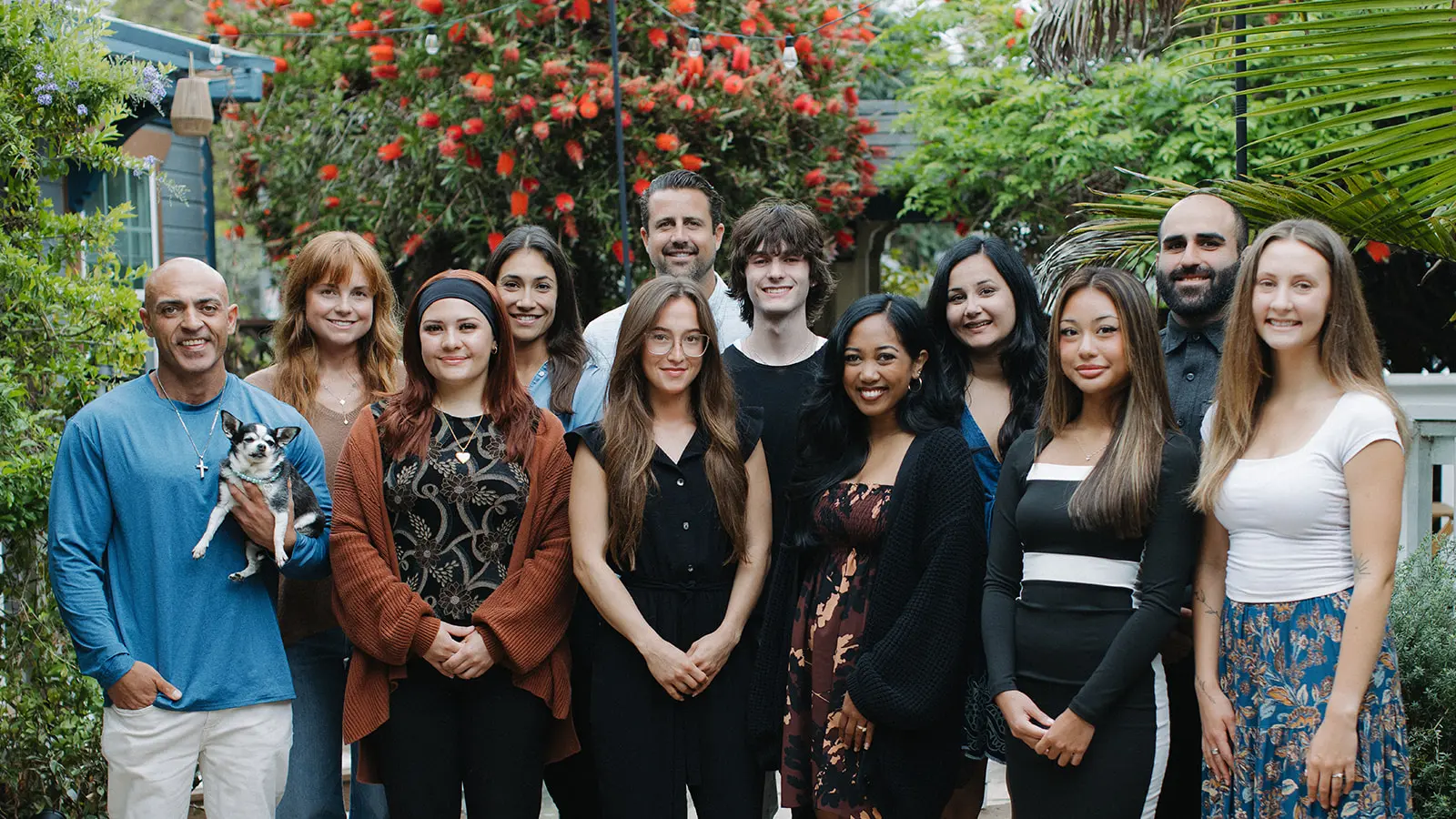

Outpatient anxiety treatment in San Diego, CA provides individuals with accessible, evidence-based support to manage anxiety symptoms while continuing to navigate daily responsibilities. Treatment focuses on helping individuals understand anxiety triggers, develop effective coping strategies, and improve emotional well-being through personalized care. Outpatient programs may include therapies such as Cognitive Behavioral Therapy, mindfulness-based approaches, group therapy, and medication management when appropriate. With the right support, individuals can build confidence, reduce anxiety symptoms, and develop healthier ways to manage stress and everyday challenges.
At Carlsbad Beach Recovery, we understand that anxiety isn’t a fleeting feeling—it’s a disruptive force that can impact every part of your life. That’s why our anxiety therapy, including Intensive Outpatient (IOP) and Partial Hospitalization (PHP), is structured to go beyond symptom relief.
Our clinically grounded treatment for anxiety integrates holistic therapies, trauma-informed care, and individualized plans for those wanting to overcome anxiety related to PTSD, academic stress, career burnout, family strain, or the psychological impact of active duty.
Healing happens when the mind and body are aligned. Whether your anxiety is fueled by trauma, lifestyle stressors, or internal conflict, we provide the structure, support, and science-backed therapies to help you find freedom. And our local therapists for anxiety in San Diego County are ready to help!
OVERCOME ANXIETY TODAY
Our experienced team will help you develop a recovery plan customized for your individual needs.
You can come and visit and be on your way to taking control of your life again.








What is Anxiety?
Anxiety is a natural emotional and physiological response to perceived threats, stress, or uncertainty. While occasional anxiety is a normal part of life, anxiety disorders occur when feelings of fear, worry, or nervousness become excessive, persistent, or interfere with daily functioning. Anxiety can affect thoughts, emotions, physical sensations, and behaviors, making it difficult to manage everyday situations.
From a neurological perspective, anxiety involves the brain’s threat detection and stress response systems. The amygdala, a region of the brain responsible for identifying potential danger, can become highly activated and signal the body to prepare for a threat. This triggers the release of stress hormones such as cortisol and adrenaline, which can lead to symptoms like a racing heart, muscle tension, rapid breathing, and heightened alertness. The prefrontal cortex, which helps with reasoning and regulating emotional responses, may have difficulty calming this alarm response when anxiety becomes chronic.
Anxiety can develop from a combination of biological, psychological, and environmental factors. Contributing factors may include genetics, brain chemistry, traumatic experiences, chronic stress, major life changes, medical conditions, and learned patterns of thinking or behavior. Certain situations, prolonged stress, or unresolved emotional experiences can increase the likelihood of developing ongoing anxiety symptoms.
Signs of Anxiety
Anxiety can affect the mind, emotions, behaviors, and body. Symptoms vary from person to person, but common signs may include:
Mental and Emotional Signs:
- Persistent worry, fear, or feelings of uneasiness that are difficult to control.
- Racing thoughts or expecting negative outcomes even when there is no immediate danger.
- Difficulty concentrating, making decisions, or staying focused.
- Feeling overwhelmed, restless, irritable, or on edge.
- Increased self-doubt, fear of failure, or excessive concern about everyday situations.
- Feeling disconnected or experiencing a sense of losing control.
Behavioral Signs:
- Avoiding situations, places, people, or activities that trigger anxiety.
- Seeking frequent reassurance from others due to fear or uncertainty.
- Difficulty completing tasks because of worry, perfectionism, or overthinking.
- Withdrawing from social activities or responsibilities.
- Using unhealthy coping behaviors to manage stress or uncomfortable emotions.
- Changes in sleep routines, daily habits, or overall functioning.
Physical Signs:
- Rapid heartbeat, chest tightness, or feeling like the heart is racing.
- Shortness of breath, dizziness, or feeling lightheaded.
- Muscle tension, headaches, jaw clenching, or body aches.
- Sweating, shaking, trembling, or feeling restless.
- Stomach discomfort, nausea, digestive issues, or changes in appetite.
- Fatigue, difficulty sleeping, or feeling constantly exhausted.
How is Anxiety Treated?
Anxiety is commonly treated through a combination of therapy, lifestyle changes, coping strategies, and medication when appropriate. Treatment is designed to address the underlying causes of anxiety, reduce symptoms, and help individuals develop healthier ways to respond to stress, fear, and uncertainty.
Therapy is one of the most effective treatments for anxiety. Evidence-based approaches such as Cognitive Behavioral Therapy (CBT) help individuals identify unhelpful thought patterns and behaviors that contribute to anxiety while developing practical coping skills. Other therapies, including Dialectical Behavior Therapy (DBT), mindfulness-based therapy, and exposure therapy, may help individuals manage emotions, reduce avoidance behaviors, and build confidence in challenging situations.
Medication management may also be recommended for some individuals experiencing moderate to severe anxiety symptoms. A psychiatric provider can evaluate symptoms and determine whether medications such as antidepressants or anti-anxiety medications may be appropriate as part of a comprehensive treatment plan.
Other strategies such as stress management techniques, regular exercise, healthy sleep habits, mindfulness practices, and relaxation exercises can support long-term anxiety management. The most effective treatment approach depends on the individual’s symptoms, goals, and overall mental health needs.
What Helps Anxiety? Carlsbad Beach Recovery’s Tailored, Holistic Programs
Living with anxiety can feel overwhelming—racing thoughts, constant worry, sleepless nights, and a deep sense of unease. But with the right support system and evidence-based care to treat anxiety, healing is not only possible—it’s within reach. At Carlsbad Beach Recovery, our outpatient anxiety treatment programs are designed to uncover the root causes of anxiety and equip you with real-world tools to manage triggers, build emotional resilience, and rediscover calm.
Through a blend of holistic therapies, one-on-one counseling, and group support, we help you break the cycle of fear and uncertainty so you can feel grounded, focused, and empowered in your everyday life. Whether you’re navigating work stress, past trauma, school pressure, or life transitions, our expert team is here to help you heal and move forward with confidence.
Why Choose IOP and PHP for Anxiety Therapy in San Diego?
Both PHP and IOP are led by licensed clinicians, supported by a compassionate care team, and designed around each client’s unique mental health needs.
Carlsbad Beach Recovery isn’t here to just manage anxiety disorders—we’re San Diego’s leading anxiety treatment center focused on lasting results.
Intensive Outpatient Program (IOP): Flexible, Focused Anxiety Care
IOP is best suited for those managing ongoing anxiety or transitioning from higher levels of care. With fewer treatment hours per week, IOP with our mental health professional allows clients to maintain work, school, and family commitments.
- Three to five days a week of therapy sessions
- Access to evidence-based treatments and integrative therapies
- Supports long-term recovery, stress management, and lifestyle changes
- Ideal for those seeking personalized care with flexibility
Partial Hospitalization Program (PHP): Structured Stability for Severe Anxiety
PHP at Carlsbad Beach Recovery is ideal for individuals experiencing acute anxiety symptoms that interfere with daily functioning.
Clients attend structured, full-day programming while returning home at night—ensuring clinical intensity without the isolation of inpatient care.
- Five to six days a week of treatment
- Daily group therapy, psychiatric support, and individual therapy
- Access to holistic therapies, including yoga, mindfulness, and breathwork
- Medication management using Genesight testing for precision care
- Builds coping skills and emotional resilience while maintaining home life balance
Who Does Our Treatment for Anxiety Help?
Young Adults & Students
Academic stress, social pressures, and the fear of failure can lead to paralyzing anxiety. At Carlsbad Beach Recovery, we offer age-appropriate therapy that builds confidence, communication, and resilience.
Active Duty Military & Veterans
Combat exposure, trauma, and the stress of service often manifest as anxiety and hypervigilance. Our trauma-informed programs provide a safe space to heal while honoring your service.
Professionals & Executives
High-functioning anxiety, burnout, and perfectionism are real. Our confidential outpatient services help busy professionals build sustainable coping strategies while maintaining their careers.
First Responders
Family Members & Loved Ones
Whether you’re a stay-at-home parent, recently divorced, or grieving a loss, emotional upheaval can fuel anxiety. Our compassionate care model helps you process life transitions and rebuild your sense of peace.
How Long Does it Take to Treat Anxiety?
The length of anxiety treatment varies depending on the severity of symptoms, the type of anxiety disorder, individual goals, and the treatment approach used. Some individuals notice improvements within a few weeks of starting therapy or making lifestyle changes, while others may need several months of consistent treatment to experience significant progress. Structured programs, such as outpatient therapy, Intensive Outpatient Programs, or Partial Hospitalization Programs, may have different timelines based on each person’s needs.
Progress is often measured by gradual changes rather than anxiety disappearing completely. Signs that treatment is working may include feeling more in control of anxious thoughts, experiencing fewer or less intense symptoms, improving sleep, increased ability to handle stressful situations, reduced avoidance of activities, and greater confidence in managing triggers. Other indicators include improved relationships, better daily functioning, and using healthy coping skills more consistently.
What Medications Are Used in Anxiety Treatment?
- Selective Serotonin Reuptake Inhibitors (SSRIs): SSRIs are commonly prescribed for long-term anxiety management and work by increasing serotonin activity in the brain to help regulate mood, worry, and stress responses. Common examples include Zoloft (sertraline), Lexapro (escitalopram), Prozac (fluoxetine), and Paxil (paroxetine).
- Serotonin-Norepinephrine Reuptake Inhibitors (SNRIs): SNRIs help balance serotonin and norepinephrine, which influence mood, stress, and the body’s response to anxiety. They are often used for generalized anxiety disorder and related symptoms. Common examples include Cymbalta (duloxetine) and Effexor XR (venlafaxine).
- Buspirone: Buspirone is a non-benzodiazepine anxiety medication that works gradually to reduce excessive worry and tension. It is commonly used for ongoing anxiety management and is not typically associated with the same dependence risks as benzodiazepines. The brand name is Buspar (buspirone).
- Benzodiazepines: Benzodiazepines are fast-acting medications that can temporarily reduce intense anxiety and panic symptoms by calming nervous system activity. They are generally used cautiously and for shorter periods due to risks related to tolerance and dependence. Common examples include Xanax (alprazolam), Ativan (lorazepam), and Klonopin (clonazepam).
- Beta Blockers: Beta blockers are sometimes used to manage physical symptoms of anxiety, such as a racing heart, shaking, and sweating. They are often used for situational anxiety, such as public speaking or performance-related stress. A common example is Inderal (propranolol).
- Hydroxyzine: Hydroxyzine is an antihistamine medication with calming effects that may help reduce short-term anxiety symptoms, restlessness, and tension. A common brand name is Vistaril (hydroxyzine).
- Other Medications: Some individuals may benefit from other medications depending on their symptoms, co-occurring conditions, and treatment plan. A provider may consider options that also address issues such as depression, sleep difficulties, or mood regulation.
When is Anxiety Bad Enough to Need Professional Treatment?
Anxiety may require professional treatment when symptoms become persistent, overwhelming, or begin interfering with daily life. While occasional stress and worry are normal, ongoing anxiety that affects work, school, relationships, sleep, or the ability to complete everyday activities may be a sign that additional support is needed. Individuals may benefit from treatment if they experience frequent panic attacks, intense fear, constant worry, avoidance of important situations, difficulty controlling anxious thoughts, or physical symptoms that are difficult to manage.
Professional support may also be helpful when anxiety coping strategies are no longer effective, symptoms continue to worsen, or anxiety begins limiting quality of life.
Long-Term Effects & Dangers of Anxiety
When anxiety becomes ongoing or unmanaged, it can affect many areas of a person’s mental and physical health. Chronic anxiety keeps the body’s stress response activated, which may contribute to increased tension, fatigue, sleep problems, difficulty concentrating, and feeling constantly overwhelmed. Over time, persistent anxiety can make it harder to manage daily responsibilities, maintain relationships, and participate in activities that once felt manageable.
Long-term anxiety can also contribute to physical health concerns by placing ongoing strain on the body. Individuals may experience issues such as headaches, muscle tension, digestive problems, increased heart rate, and changes in appetite or sleep patterns. Anxiety may also lead to avoidance behaviors, isolation, reduced confidence, and increased reliance on unhealthy coping methods.
Without support, untreated anxiety can worsen and may increase the risk of developing additional mental health challenges, including depression, panic disorders, or substance use concerns.
How Much Does Outpatient Anxiety Treatment Cost in San Diego?
The cost of outpatient anxiety treatment in San Diego depends on the type of care, treatment length, services included, and insurance coverage. Individual therapy sessions may range from approximately $100 to $300+ per session depending on the provider and specialty. More structured programs may include Intensive Outpatient Programs, which often range from $3,000 to $10,000 per month, and Partial Hospitalization Programs, which may range from $7,000 to $20,000 per month based on treatment intensity and services provided.
Several factors impact the overall cost of anxiety treatment, including the level of care needed, number of therapy sessions per week, length of treatment, and whether services such as psychiatric evaluations, medication management, group therapy, or specialized therapies are included.
Does Insurance Cover Outpatient Anxiety Treatment in San Diego?
Yes, many health insurance plans cover outpatient anxiety treatment in San Diego when care is considered medically necessary. Coverage may include services such as individual therapy, group therapy, psychiatric evaluations, medication management, Intensive Outpatient Programs, and Partial Hospitalization Programs. Insurance providers commonly offering behavioral health benefits include Aetna, Anthem Blue Cross, Cigna, UnitedHealthcare, Kaiser Permanente, and Blue Shield of California.
The amount covered depends on several factors, including the specific insurance plan, whether the treatment provider is in-network, deductible and copay requirements, coinsurance, and the level of care recommended. Insurance companies may also require an assessment or clinical documentation to confirm that treatment is medically appropriate.
Insurance Coverage – We’re Here to Help, No Matter What
At Carlsbad Beach Recovery, we understand that navigating insurance can be overwhelming. We work with most major insurance providers, including:
Anthem Blue Cross, Aetna, Cigna, Regence, Premera, UnitedHealthcare, UMR, GEHA, Sutter Health, and Blue Shield.
Our team will gladly verify your benefits, walk you through your coverage options, and provide transparent cost breakdowns. We’re here to answer your questions and ensure financial concerns never stand in the way of your healing.
Take the First Step Toward Lasting Relief
You don’t have to live in the grip of anxiety. Whether you’re struggling silently or at your breaking point, Carlsbad Beach Recovery is here to guide you with care, compassion, and expertise. From structured outpatient programs to holistic healing modalities, our team will walk with you every step of the way.
Call us now to speak with our admissions team or verify your insurance online and begin your personalized treatment journey today
Rediscover peace. Reconnect with yourself. Choose recovery.
Posted on Google KariJune 3, 2026
Trustindex verifies that the original source of the review is Google.
I just had an introduction to Beach Recovery's PHP and IOP programs. Finding specialized care for gambling and social media addiction is incredibly difficult, but this program addresses the complexities and behaviors of these addictions.They don't just focus on "stopping" the addiction; they teach you how to build a healthy relationship with technology and how to navigate addiction triggers in your life. If you or a loved one are struggling with digital dependence or gambling, or other forms of addiction, including substance use, check out Beach Recovery.Posted on GoogleLisaMay 18, 2026I came to the center for a severe gambling addiction because everything I had tried in the past never worked. I tried 12 step groups, support groups, therapy, managing it on my own and quitting cold turkey . After coming to Carlsbad Beach Recovery, I was introduced to new tools and very experienced therapists in the field of gambling and was able to identify why I did what I did, learn about the brain, childhood trauma, and process all of the underlying reasons why I was acting compulsively and addictively. Without that awareness, I might have never made it. I was literally at the end of my rope, and they saved my life. I highly recommend this program for anybody struggling with a gambling addiction because it’s a very unique addiction and requires very specialized treatment. I had quit gambling in the past, but the obsession and the desire never went away. I am now 65 days off gambling and I have zero desire to ever go back to that horrible dark lifestyle. I’m finally in a place where my desire to heal and feel better outweighs my desire to act out compulsively. Thank you so much to everybody who works here.Posted on GoogleCarsonApril 10, 2026I arrived at Carlsbad Beach Recovery feeling broken, but my experience here has been nothing short of transformative, thanks to the outstanding staff and the welcoming atmosphere. My perspective on life has shifted dramatically, and I have received the support I desperately needed. Nima is not only highly professional but also genuinely compassionate, fostering an environment where I feel safe to be vulnerable. The group sessions offer invaluable insights into living a sober life, making this a highly recommended place for anyone looking to start or continue their recovery journey. I am profoundly grateful for my time here and would gladly stay indefinitely if it were possible.Posted on GoogleAshleyApril 9, 2026Carlsbad Beach Recovery stands out as a beacon of excellence in client care, deserving of recognition for its unwavering commitment to those it serves. The organization goes above and beyond to ensure that clients feel valued, supported, and protected throughout their recovery journey. Their dedication is evident in the way they provide essential treatment tailored to individual needs, ultimately helping clients reclaim their lives. The staff members exhibit a remarkable blend of compassion and professionalism, taking their responsibilities seriously while fostering an environment that is both enjoyable and engaging. This unique approach not only enhances the therapeutic experience but also builds a strong sense of community among participants. I wholeheartedly recommend this program, as it truly offers an unparalleled level of service and support that is difficult to find elsewhere. I would give them 10 stars if I could.Posted on GoogleNatalieMarch 12, 2026I recently visited this facility as a licensed clinical social worker with an addiction certification for networking as well as to scout out IOPs (intensive outpatient program) for any client of mine that needs a higher level of care than what I can provide at the outpatient level. They offer both PHP (6 hrs/day) and IOP (3 hrs/day) programs filled with psycho-educational groups with comprehensive trauma-informed psychotherapy, adventure and holistic activities, & case management services etc. I was more than impressed with the friendliness & energy of the staff, the aesthetic aspects of the facility, and would not hesitate to send any client or friend to Carlsbad Beach Recovery.Posted on GoogleJennyFebruary 12, 2026My time at CBR has truly been transformative, due to the exceptional staff and welcoming environment. The staff members are not only professional but genuinely caring, which creates a space where I feel comfortable being vulnerable. The groups provide valuable insights on how to live and maintain a sober life. I highly recommend CBR for anyone seeking a supportive environment to begin or continue their recovery journey. I'm incredibly grateful for my experience here.Posted on GoogleNabilFebruary 12, 2026Coming to Carlsbad beach recovery after my detox was a scary process for me. I was received with worm arm and the staff all around are very attentive and understanding of what is the recovery from the the addiction and cater with a plan and guidance for sobriety.. I feel good all around today than when I joined the program and for that I will always be grateful. Thank you Carlsbad beach recoveryPosted on GoogleEricaFebruary 12, 2026Carlsbad Beach recovery has helped me in so many ways without this company I would never have found my way to sobriety. I am so happy with the service that I received such a loving and caring Staff all the way from clinical down to house management A1 top-notch.Posted on GoogleArvinNovember 23, 2025Carlsbad Beach Recovery is truly life-changing. From the moment I walked through the door, I felt welcomed, supported, and understood. The staff is compassionate, knowledgeable, and genuinely committed to helping each person succeed in their recovery. Their outpatient program is structured, flexible, and incredibly effective—perfect for anyone who wants strong support without stepping away from daily responsibilities. The therapists and counselors take the time to understand your unique situation and tailor the program to your needs. Group sessions are uplifting and insightful, and the one-on-one support helped me gain clarity and confidence in my sobriety. I especially appreciated the calm, peaceful environment—being so close to the beach added a sense of healing and balance. I’m leaving this program with tools, strength, and hope I never thought possible. If you or someone you love is seeking outpatient treatment, I highly recommend Carlsbad Beach Recovery. They truly care, and it shows in every part of the experience.Posted on GoogleMartinNovember 13, 2025⭐️⭐️⭐️⭐️⭐️ FINALLY 🗣️ A Rehab That Actually Cares — Carlsbad Beach Recovery Is The Real Deal! My partner and I just finished our stay at Carlsbad Beach Recovery, and I’ve never experienced a place run with this much heart. Melody, Nima, Bobby, Cayden, Celine, and the whole team there are WORLD-CLASS human beings. They didn’t just “do their job” — they made us feel seen, supported, and genuinely cared for in a way I’ve never experienced in treatment. I was able to finally muster enough courage to publish my book and it happened here at CBR. I cannot scream praises high enough for this team. This is a new rehab outside the fast paced life of the city, but it’s not your standard OC/SD shuffle either — it already feels different. You can tell they’re building something sacred. Melody has the kind of leadership that makes people believe in themselves again, and the staff follows her with the same intentionality and compassion. They treat you like family from the moment you walk in the door. They also work with couples in a way that’s safe, structured, and honestly life-changing. Even when separated, you’re literally only a few steps away from your person, and that closeness meant the world to us. Just the group instructors there will challenge you to your core, and help you so much because they’re so well rounded, you just trust them. Every single human at this organization loves what they do and it shows in everything they do. I miss it already 🥹 Carlsbad Beach Recovery gave us hope, community, and a sense of belonging we desperately needed. I truly expect big things from this place as they grow, and I’m grateful to have been part of the beginning. If you’re looking for a place that’s pure, supportive, and built on real love and intention — this is it. — ML You guys rock. Never stop working for the addict that still suffers. Please. We needed you guys so bad. Thank you. P.S. just in one week they took me on the best outing I’ve ever been to at Dave and Busters, and then took it a step further and visited the most beautiful garden in California in Encinitas. Don’t walk. Run. You’re safe here. I wrote and published both of these books while in treatment here. You can do it too!